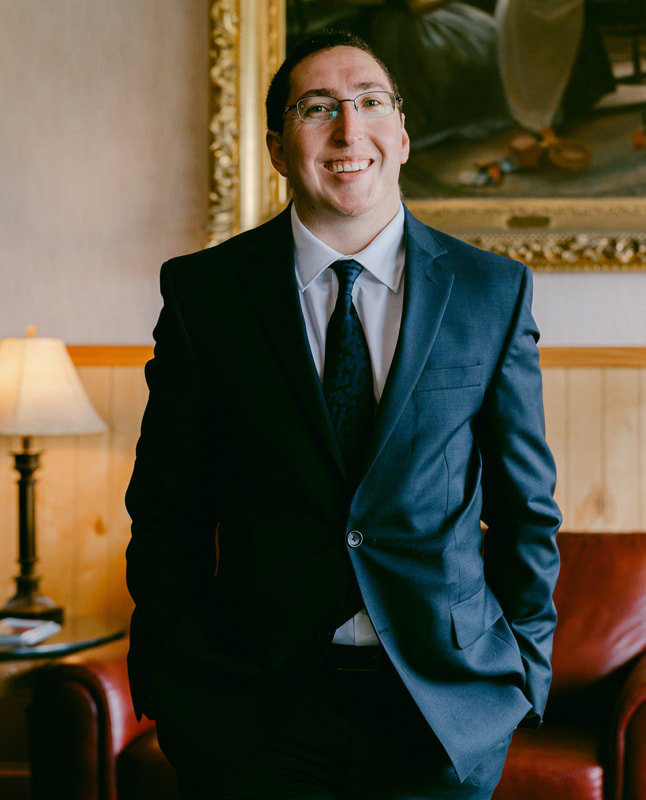
My career has focused on making crime data and research accessible to the people who need it. For more than 10 years I have built and cleaned crime and policing datasets, lowered the barrier to using them, and helped people who are not data experts get real answers from messy data.
I am a Professional Specialist at Princeton University with a Ph.D. in criminology from the University of Pennsylvania. I was a member of the FBI’s Uniform Crime Reporting Subcommittee. I conduct causal and quasi-experimental research on public-safety and justice outcomes as part of multidisciplinary teams, with a recent focus on racial disparities, representativeness in policing, and the effect of Taylor Swift concerts on crime.
I have built and maintained a public-safety data pipeline covering 1960-2024 across more than a dozen datasets, downloaded 15,000+ times and cited 250+ times. I also built the Crime Data Tool, a public platform for exploring trends in crime, arrests, and police employment. I have published 15 peer-reviewed articles in journals including the American Journal of Political Science, Economic Inquiry, and Criminology and Public Policy, and authored a programming textbook (CRC Press) on cleaning and working with real-world crime data.
I also consult. Past clients include the U.S. Department of Justice Civil Rights Division, the American Civil Liberties Union, and AH Datalytics. If your organization has crime or policing data that needs to be cleaned, documented, or made ready for analysis, I can help. I work with organizations and individuals on a project or hourly basis. Inquire at 1930research.com for rates and availability.